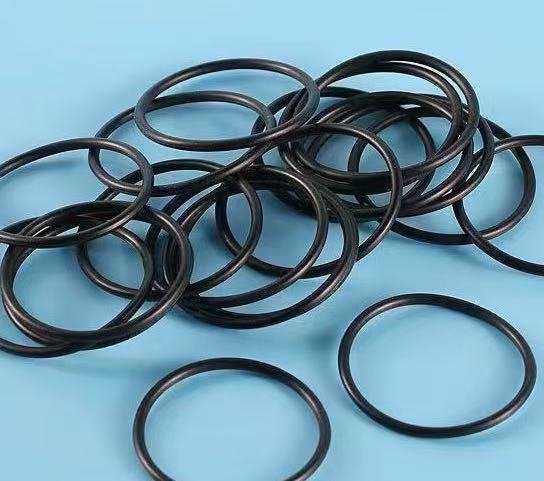
Nitrile Butadiene Rubber, or NBR, has become one of the most widely used materials in gloves and industrial rubber products—and for good reason. It offers a mix of strength, flexibility, and chemical resistance that’s hard to beat.
1. Great Resistance to Chemicals
NBR stands out because it handles oils, fuels, and many other chemicals much better than natural rubber. This makes it perfect for automotive, industrial, and laboratory settings, where exposure to harsh substances is common.
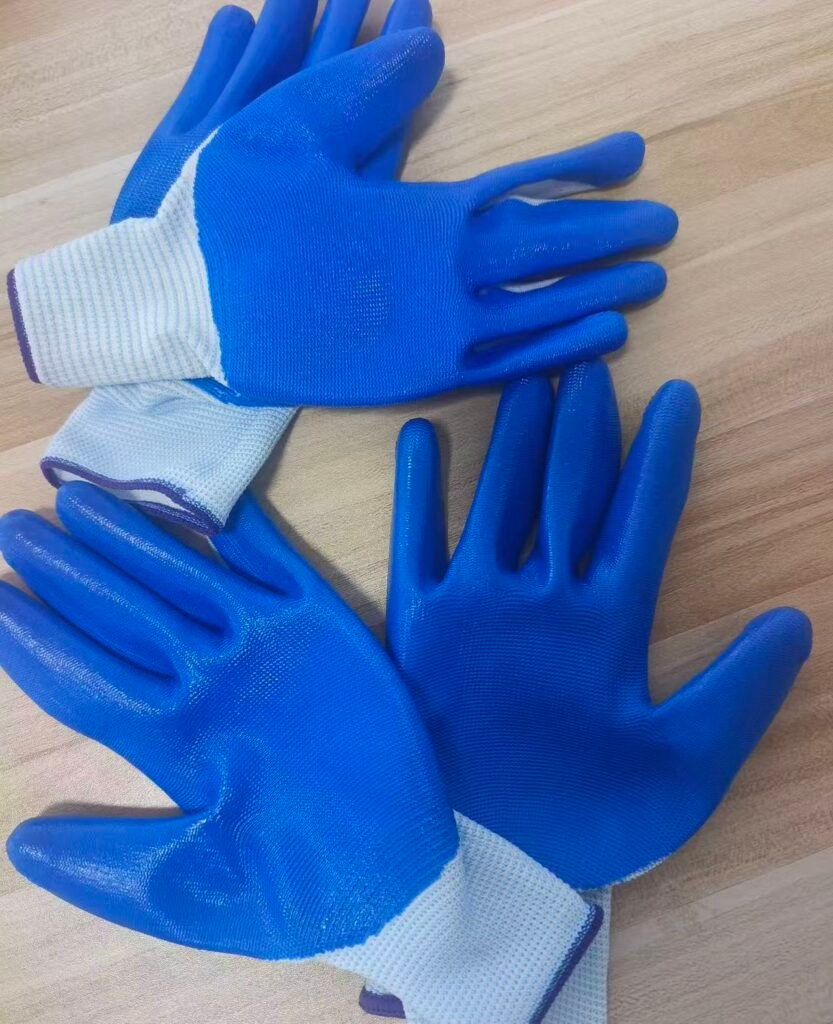
2. Strong and Durable
It’s not just about resisting chemicals—NBR is also tough. It stretches without tearing easily, which is why nitrile gloves are reliable for daily use. In industrial applications, this toughness helps hoses, gaskets, and seals last longer.
3. Works in Different Temperatures
NBR performs well in a wide range of temperatures, from freezing cold to quite hot conditions. This flexibility makes it useful in everything from cold storage to high-temperature machinery.
4. Safe for Skin
Unlike latex, NBR doesn’t contain natural proteins that can cause allergies. That’s why nitrile gloves are a safer choice for medical, food-handling, or lab work, where direct skin contact matters.
5. Cost-Effective and Flexible
NBR can be tailored to meet different needs, whether you want it softer, more elastic, or more chemical-resistant. And it’s relatively affordable, which is why so many manufacturers choose it for gloves and industrial parts.
In Short
With its chemical resistance, durability, skin safety, and versatility, NBR is the go-to material for both nitrile gloves and a wide range of industrial rubber products. It’s practical, reliable, and keeps performing where it matters most.